The Pamunkey River and Indian Reservation


Farmer cutting cover crop, maybe alfafa.


June 7 -- The eastern Tidewater part of state where I have traveled this week is very new to me, and so different from the Blue Ridge mountains and Piedmont pastures that I am used to back home. And that's what has been so fun about this trip - seeing places not so far from home that feel like a world away. 

I walked east out of Hanover County on long back roads through young woods, corn and wheat toward the Pamunkey River. Contrary to what I was expecting, the landscape here is not flat as a pancake.   
Train trestle I used to cross the Pamunkey River.
 I made it to the Pamunkey Indian Reservation where I had gotten permission to visit and pitch a tent at the home of Warren Cook's family. He and his wife, Susan, live right on the river in a special section of backwater and wetland called "the Pocket". Warren and his youngest daughter, Allyn, who lives next door were there when I arrived and treated me so kindly. Allyn had even been cooking dinner for me before I arrived. 
Warren Cook and his daughter Allyn, with the Pamunkey River as their front yard and marker of their cultural homeland.
I was sorry to drop my bag and rush off so quickly after my late arrival, but Garrie Rouse and his daughter Kat with Mattaponi Canoe and Kayak had offered to show me around that section of the river at high tide, around 6:00 when I arrived. Let me just tell you that I can't believe I had never been on the Pamunkey River before. Being out there on that quiet and wide still water among the yellow pond lillies as the sun moved low on the horizon was...breathtaking. The scene was so novel to me. Is this still Virginia in the year 2012?
 
Garrie Rouse shows me flower of yellow pond lilly


We did talk about the past, as Warren, Allyn, and I ate fresh omelets the next morning out in Allyn's great tiki hut beside here house. Warren explained that this is the oldest reservation in the country, established by a treaty with the King of England in the 1600s.  As I understood it, Pamunkey tribal land at that time radiated six miles out from its current center at the Pocket in the river, but was gradually whittled away by white men who started paying taxes on outter portions of the territory until they were eventually granted a deed to that chunk of land.  Approximately 1200 acres makes up the reservation as it is known today.  Before I left after breakfast, Warren took me on a quick drive around the reservation.  It doesn't look too terribly different from the scene on the outside, except that the homes are a little closer together and there are places to gather - a museum and meeting room, a pottery studio, a fish hatchery on the river, and soon to be a picnic pavilion by the river.  And of course there are woods, corn, and wheat. 

Warren Cook, the omelet chef.

Warren makes jewelry. This bracelet shows the symbol of the Pamunkey Tribe.

The school that Warren attended on the reservation as a child, shown in the background.  Because of Segregation, the only school he could attend after 7th grade was the Cherokee school in North Carolina.
 
Photos in the Pamunkey Indian Tribe Museum on the reservation, showing Warren (right) with his father, Chief Tecumseh Cook (center) who lived to be over 100 years old, and his great grandfather George Major Cook also a longtime chief (left).


Henrico County into Hanover County

The more modest homes of the East end of Richmond.
Sorry looking stream near shopping centers in eastern Henrico County.

I have been seeing day lillies in many unexpected places, including all over this field and in the woods.


Chickahominy River


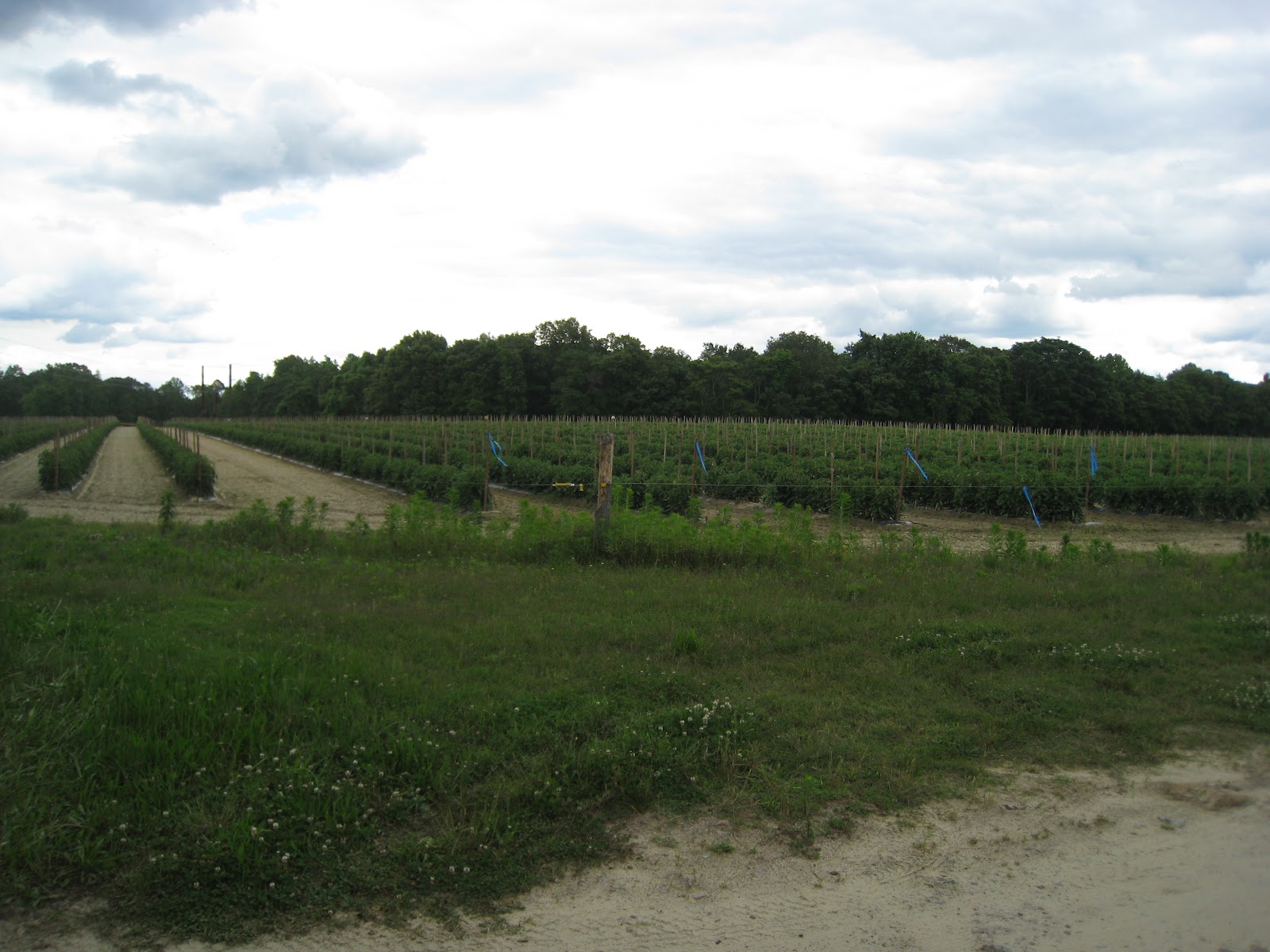
Hanover Tomatoes!

A Peek at the Lower James River

Before leaving Richmond, I had the good fortune to tag along with my friend, Gabe Silver, who is the Education and Outreach Manager for the James River Association.  He and the new Lower James Riverkeeper, Jamie Brunkow, needed to move some boats around down in the tidal portion of the river below Hopewell. I came along for the ride before heading further east.

Jamie Brunkow in his Riverkeeper boat, which he uses to monitor the whole stretch of the tidal James River from Richmond down to the Bay.

Ship headed back out to the ocean, likely coming back from one of the factories or the Port of Richmond.

Gabe Silver, drives JRA's new 45-ft pontoon boat past Westover Plantation where it had been temporarily docked. Gabe, his wife, Sonya, and five others just returned from an 800-mile journey up the Intracoastal Waterway from Florida to bring the pontoon boat to its new home on the James River.  All with a hurricane on their tale.  Read about the wild ride here.

Jamie and Gabe park the new pontoon boat.  It will be used to take local school kids out on the the river to learn about the wonders of the James.

Folks fishing on the James River, just below dowtown Richmond


Visiting the Virginia Capitol and The James River Association

Ta da! Capitol of the Commonwealth.


Lunch with good folks at the James River Association, located in downtown Richmond.


James River Association's sturgeon replica. The real fish wander in the waters of the tidal lower James, downstream of the "fall line" at Richmond. 

Amber Ellis shows off JRA's River Hero Homes flag. This program is for folks who want to reduce runoff from their house and yard by putting in things like rain barrels, rain gardens, and other ways to catch stormwater.

Tubing down the James in Richmond

Tubing on James River above downtown Richmond with Lorne Field who works for Chesterfield County Environmental Engineering. Lorne used to work for the James River Park System in Richmond and was the first person to show me the wonder of the downtown portion of the river back when I lived in the city in 2007/2008.    


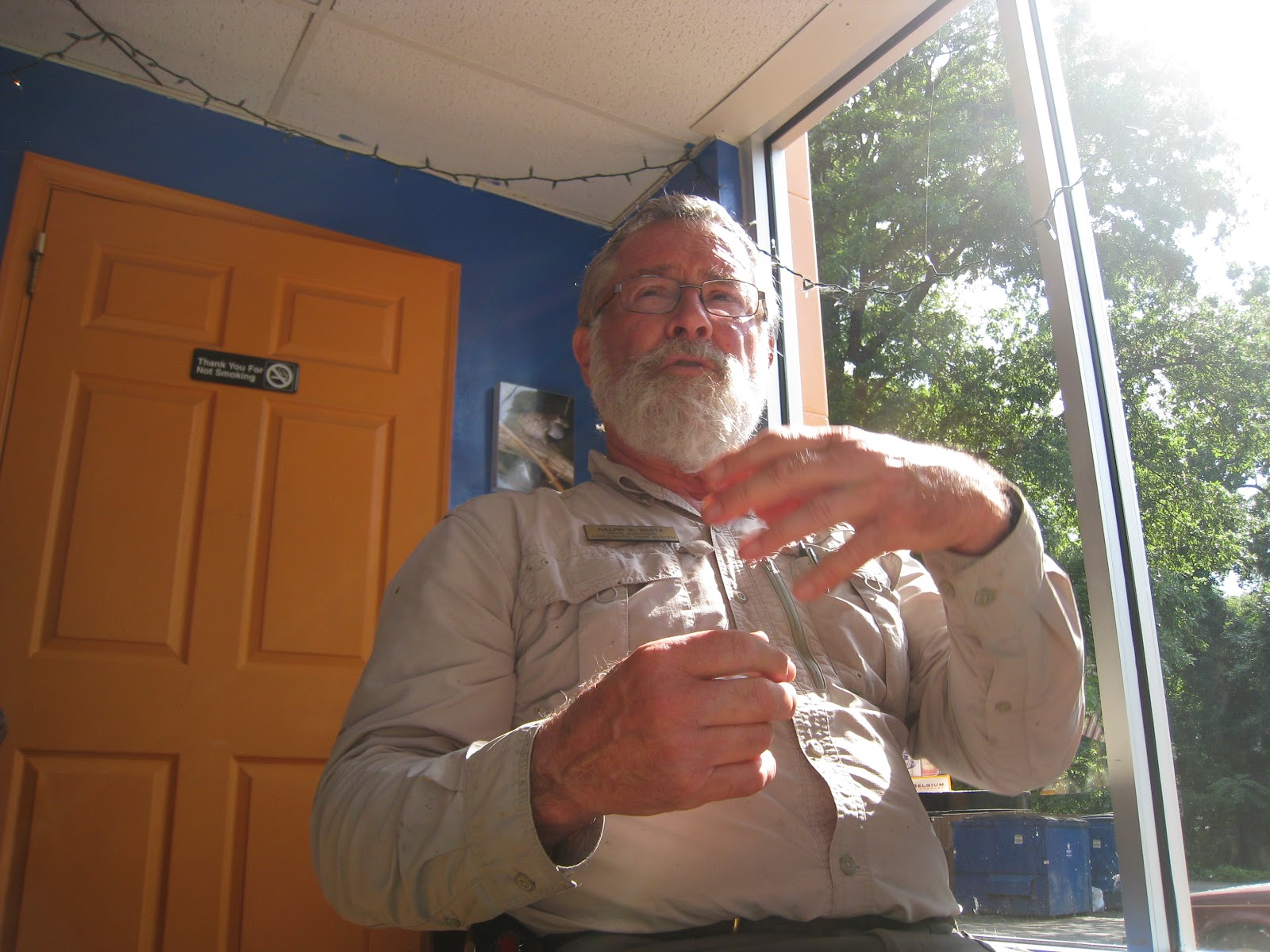
Interviewing Ralph White.....King of the James River Park system.  Ralph has dedicated a huge amount of energy to making the river in downtown Richmond accessible for recreation. The river park downtown with its trails, rocks, rapids and pools really is a remarkable treasure for Richmonders and Virginians everywhere.  Ralph retires this coming January, but I have a feeling he will still be instrumental in helping make the park even bigger and better than it is now.

River Road to West end of Richmond

Lots and lots of fancy houses along River Road outside Richmond's west end.


Pretty row houses in the Museum District of Richmond.

My friend Elizabeth and I visited the Greek Festival when I arrived in Richmond. Very Virginia, I know.

Goochland to Henrico County

Dad under a big oak in the Manakin-Sabot area of Goochland County.

Dad walking Rt. 6 toward Richmond.

Old tavern along River Road.

Near Jefferson's boyhood home, Tuckahoe Plantation, on River Road.

Tuckahoe Creek - the first tea-colored stream I crossed over, meaning I'm getting closer to the coast. This creek divides Goochland County from western Henrico County.

Walking Rt 6 through Goochland County

Yay for dads who also like to walk.

Betty McCracken walked down Rt. 6 with me and Dad to give us our very own farm and history tour.

The "State Farm" correctional center in Goochland County.  Notice that the clocks on the tower have no hands with which to tell time. I bet there is a good story behind that.

Dad waiting under a gas station awning in Crozier, VA during sudden afternoon thunderstorm. I made it to the Post Office before the rain dumped down on our way to Brookview Farm.
Dad and I visited and stayed at Brookview Farm, owned by Rossie and Sandy Fisher.  They have received many accolades for environmental stewardship on their cattle farm, including permanent conservation easement, organic practices, and reforestation along some steep slopes and near the stream.

Sandy (left) leads me and Dad on a ride through his pastures to see some of his cattle and trees that have been planted.

Part of the herd at Brookview Farm, which includes a variety of interesting breeds of cattle.


Sandy treated us strangers like royalty - he is one of the nicest people I've ever met.

Powhatan County


Betty McCracken and I take a break from paddling on the James River from Belmeade to Maidens. Betty works for the Monocan Soil and Water Conservation District and is a wealth of knowledge about conservation practices on the farm and elsewhere. She connected me with several farms in Powhatan and Goochland County to visit, including the Moyer's farm below. 


David Moyer unloading freshly harvested barley into his grain bins. I visited David and his wife Nancy at their farm in Powhatan County where they grow all kinds of crops on thousands of acres near the James River, as well as raising chickens for eggs.  They have been practicing no-till agriculture since the 1980s, before most farmers even considered it.  No-till is now the norm in at least the eastern side of the state, resulting in much less soil erosion from farm fields.
Nancy Moyer's abundant vegetable garden.

Chickens in one of multiple poultry barns on the Moyer's farm.


Sunset on the Moyer's farm.
Barn kitty decided to keep me company at my tent.